Premier Siding Services: Protecting Your Home While Enhancing Its Beauty
Professional siding solutions provide two key functions: they defend properties against environmental factors and improve aesthetic value. As properties get older, indicators such as cracks and water damage indicate the need for prompt siding replacement. Picking durable materials designed for particular climates significantly affects lasting strength and energy savings. The importance of professional installation cannot be overstated. Recognizing these considerations is crucial for property owners planning a renovation. Which elements should homeowners consider before committing to this investment?
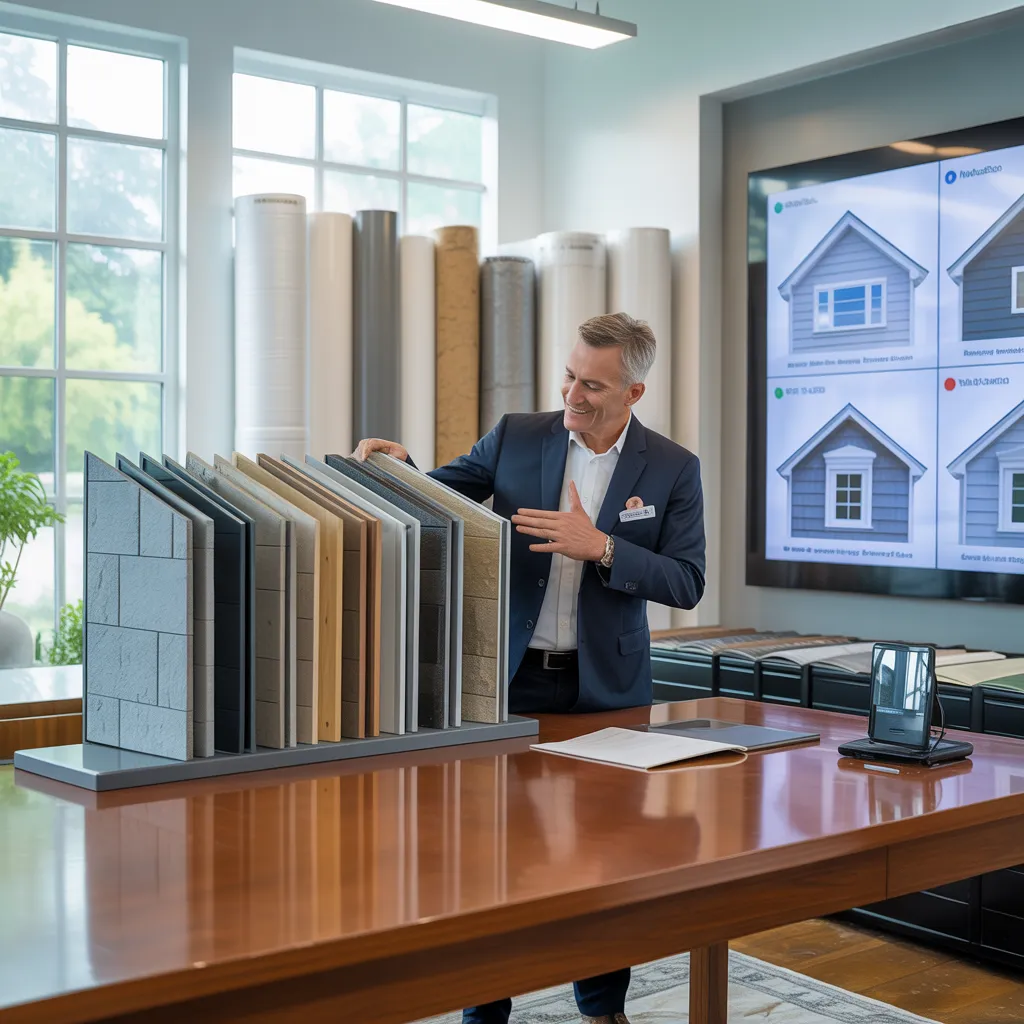
Signs It's Time to Replace Your Siding?
When is it time for homeowners to replace their siding? There are several key signs that homeowners should watch for that suggest siding replacement is needed. Visible damage, such as cracks, warping, or peeling paint, can compromise the exterior's integrity and appearance. Furthermore, signs of moisture or mold can indicate deeper problems that could result in expensive repairs if ignored. If energy bills begin to rise unexpectedly, it may indicate insufficient insulation due to worn-out siding, prompting a reevaluation of the home's exterior. In addition, the age of the siding is a critical factor; the majority of siding materials last between 20 and 30 years. Finally, if a homeowner notices increased noise pollution from outside, it might be time to upgrade read here to a more soundproof siding option. Recognizing these signs early can help maintain the home's safety and aesthetic appeal while preventing future complications.
The Importance of Quality Siding for Your Home
Superior siding is a key factor in a home's general functionality and aesthetic. It enhances energy efficiency by offering superior insulation, which can produce lower utility bills. In addition, superior siding significantly enhances curb appeal, leaving the property more eye-catching to potential buyers and passersby.
Energy Efficiency Benefits
Energy efficiency is an essential aspect of modern home design, and the type of siding is a key factor in achieving it. Quality siding materials, such as insulated vinyl or fiber cement, offer exceptional thermal insulation, helping to maintain consistent indoor temperatures. This decreases dependence on heating and cooling systems, ultimately leading to reduced energy costs. Additionally, expertly fitted siding limits air seepage, further strengthening a home's insulation. Those who choose high-quality siding materials not only enhance their home's thermal performance but also contribute to a sustainable environment by lowering their greenhouse gas emissions. To sum up, selecting the right siding is critical for enhancing a home's energy efficiency, making it an intelligent choice for lasting comfort and reduced costs.
Curb Appeal Enhancement
Although siding selection might appear to be a small consideration, it greatly impacts a home's complete exterior appearance. Premium siding has the power to turn a plain home into an attractive dwelling, elevating its beauty and expressing the homeowner's unique preferences. Various materials, shades, and finishes enable customization, allowing property owners to develop a distinctive appearance that sets their home apart. Furthermore, properly kept siding can boost a home's market value, establishing it as a vital financial commitment. Many home purchasers commonly value curb appeal, and superior siding frequently becomes a determining element. At the end of the day, picking the perfect siding both shields the building and amplifies its appeal, positioning it as a key factor in developing a stunning, hospitable dwelling.
Picking Siding Materials: Important Factors to Examine
Choosing the right siding materials is essential for enhancing a home's aesthetic appeal and durability. There are several key factors homeowners should evaluate before making this choice. First, climate plays a key role; options like vinyl or fiber cement tend to perform well in regions with harsh weather, while wood siding provides timeless appeal in mild climates.
Next, maintenance requirements vary; some materials require regular painting or staining, while others are virtually maintenance-free. Budget is also a key factor; options range from budget-friendly vinyl to higher-end natural wood or stone.
Energy efficiency should also be assessed, as some materials offer superior insulation, possibly decreasing heating and cooling expenses. Additionally, homeowners must take into account their residence's architectural character to ensure that the siding enhances its overall aesthetic. By carefully considering these elements, homeowners can identify siding materials that boost both visual appeal and lasting performance.
Benefits of Hiring Professional Siding Installers
Choosing skilled siding professionals can significantly improve the longevity and performance of a house's outer surface. These professionals possess extensive experience, ensuring that the project is completed to the highest standards. Their professional expertise positions them to handle potential obstacles, such as incorrect alignment or improper sealing, which can cause significant repair costs in the future.
Moreover, professional installers come prepared with the proper materials and tools, which can considerably decrease installation time and upgrade the overall result. They also keep up with regional building codes and regulations, ensuring adherence and minimizing the chance of fines or additional work.
Moreover, choosing expert installers often includes warranties on both labor and materials, offering homeowners peace of mind. This standard of protection, coupled with the visual and practical merits of skilled installation, demonstrates the significance of trusting skilled professionals with siding projects.
Elevating Curb Appeal With Siding Solutions
Choosing the ideal siding can greatly elevate a home's curb appeal. Color options, paired with different finishes and materials, permit homeowners to develop a standout look that reflects their individual taste. By considering these elements, individuals can reinvent their residence into a attractive and welcoming space.
Why Color Choices Matter
In what ways can the ideal color enhance a home's exterior? The choice of siding color greatly impacts a home's curb appeal, establishing the foundation for its overall appearance. Lighter shades can make a space appear larger and more inviting, whereas deeper tones can convey a sense of elegance and refinement. Vibrant colors draw attention, allowing a home to stand out in the neighborhood, while muted tones offer a classic, timeless look. Additionally, the right color can harmonize with landscaping and architectural features, creating a cohesive appearance. Homeowners should consider their personal style, local climate, and neighborhood trends when selecting colors. At the end of the day, deliberate color decisions not only boost a home's visual appeal but also mirror the homeowner's individuality, guaranteeing the space feels warm and well-kept.
Material And Texture Options
Diverse texture and material selections can considerably boost a home's curb appeal, providing homeowners with the chance to create a unique impression. Materials including vinyl, wood, and fiber cement each provide unique aesthetic qualities and durability. Low-maintenance vinyl siding, is found in numerous textures that simulate the look of natural materials. Wood siding, despite its higher maintenance needs, brings warmth and classic charm, available in smooth or rough-hewn finishes. Fiber cement siding combines the best of both worlds, providing durability alongside diverse textures such as stucco and wood grain. These selections empower homeowners to personalize their property's facade, boosting both aesthetic appeal and overall property value. Selecting the right combination can transform any home into a stunning masterpiece.
Essential Tips for Maintaining Long-Lasting Siding Performance
Routine upkeep is essential for preserving the lifespan and quality of home siding. Property owners ought to start by washing the siding at least twice a year to clear away dirt, mildew, and unwanted buildup. A gentle pressure washer or a soft brush with a mild detergent can effectively maintain its appearance without causing damage. Examining the siding for fractures, warping, or detached panels is necessary; tackling these matters without delay can ward off more substantial damage. In addition, homeowners should secure proper drainage around the foundation to avoid water damage. Using a quality sealant can improve resilience, especially for wooden siding. It's also advisable to repaint or stain every few years, as this provides protection from weather conditions. Finally, regular checks on caulking around windows and doors will guarantee airtight seals, decreasing energy consumption and enhancing the siding's longevity. These proactive steps contribute to maintaining both aesthetics and functionality.
Answers to Common Questions
What Is the Typical Duration of a Siding Installation?
The siding installation process usually takes one to three business days, depending on the project's size and complexity. Elements such as weather conditions and the siding material selected can affect the overall duration of the project as well.
What Are the Prices Associated With Siding Replacement?
Siding replacement costs vary widely, generally falling between $5,000 and $15,000 depending on materials, labor, and home size. Homeowners must factor in supplementary expenditures, including the removal of existing siding and any necessary structural repairs.
Can New Siding Be Installed Over Existing Siding?
Indeed, new siding can be installed over existing siding, but it is essential to ensure the existing structure is stable. Proper insulation and moisture barriers are important for preventing potential issues like rot or mold.
What Warranty Options Are Available for Siding Products?
A variety of siding products feature warranties that vary greatly, typically covering material defects for periods ranging from 20 to 50 years. Installation coverage may also be included, protecting workmanship for a defined period, often ranging from one to ten years.
What Is the Best Way to Pick a Siding Color That Matches My Home?
To select a siding color that suits a home, one should consider the style of the architecture, nearby natural environment, and nearby houses. Color samples assist in visualizing choices, while referencing color wheel guides enhances the decision-making process.